

Timeline
Led the product redesign from 2020 to 2021, followed by continuous improvements through 2026.
My Role
As Design Lead, I set the design direction, led the team, and remained hands-on across projects.
Working With
PM / Design Team / Web & Mobile Developers / Customer Success

230%
Growth in Paying Companies · 2021 vs. 2020
47.6%
Compound Annual Revenue Growth · 2020–2024
5,000,000,000
Starting Point
My first mission after joining the company was to rebuild the product.
At the time, the company saw product innovation as essential to its next stage of growth and fundraising. The existing experience had accumulated structural and visual inconsistencies over time, making a broader redesign necessary rather than a series of isolated improvements.
What Problems Did I Find?
1. No Established Design System
There was no shared design system to provide consistent standards across the product. This was not uncommon in the Korean startup environment around 2020, particularly for products that had grown quickly without a mature design infrastructure.
Without a common system, maintaining consistency in both UI quality and user experience became increasingly difficult as the product evolved.
2. A Legacy Development Environment
The lack of shared design standards also affected the development environment.
Repeated markup and accumulated legacy code made implementation less efficient and contributed to recurring performance issues. While these challenges went beyond design alone, they highlighted the need for a more systematic approach to how the product was designed and built.
3. An Outdated Interface and Visual Language
Visual appeal is not the only priority in product design, but it should not be overlooked.
Even when products provide similar functionality, users naturally respond to experiences that feel more polished, intuitive, and visually engaging. At the time, the product's visual language had become dated. Bitmap-based assets made the interface feel visually heavy and also added unnecessary overhead to implementation.
4. Building Trust With Existing Team Members
When I joined, the startup had already been operating for about five years. Many team members had spent years building the product and naturally had a strong sense of ownership over it.
A full UI/UX rebuild led by a newly joined designer could not automatically earn everyone's support. There were understandable concerns about whether the existing team's work, decisions, and contributions would be properly considered throughout the redesign.
This meant that rebuilding the product was not only a design challenge. It was also a challenge of building trust and creating shared understanding across the team.
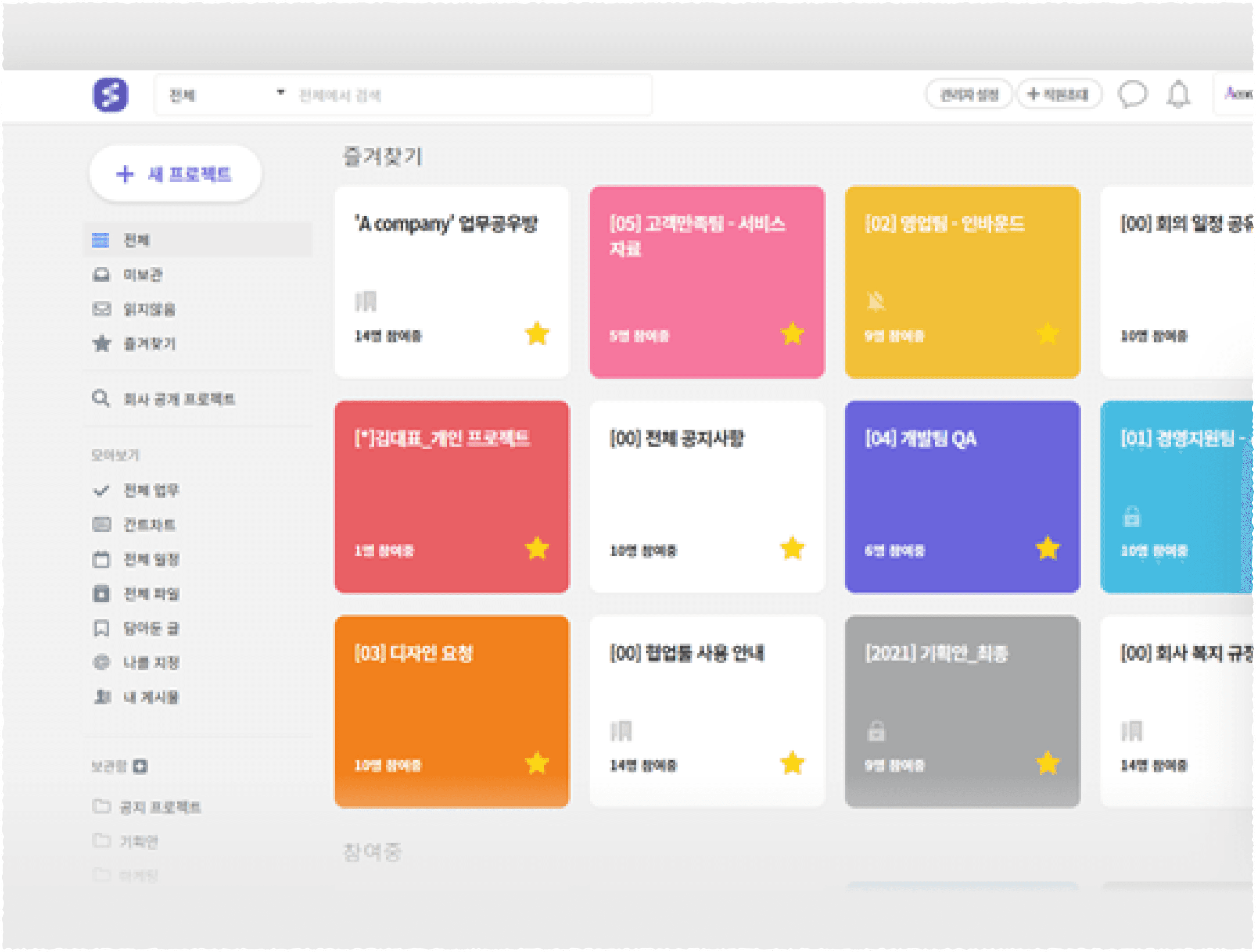
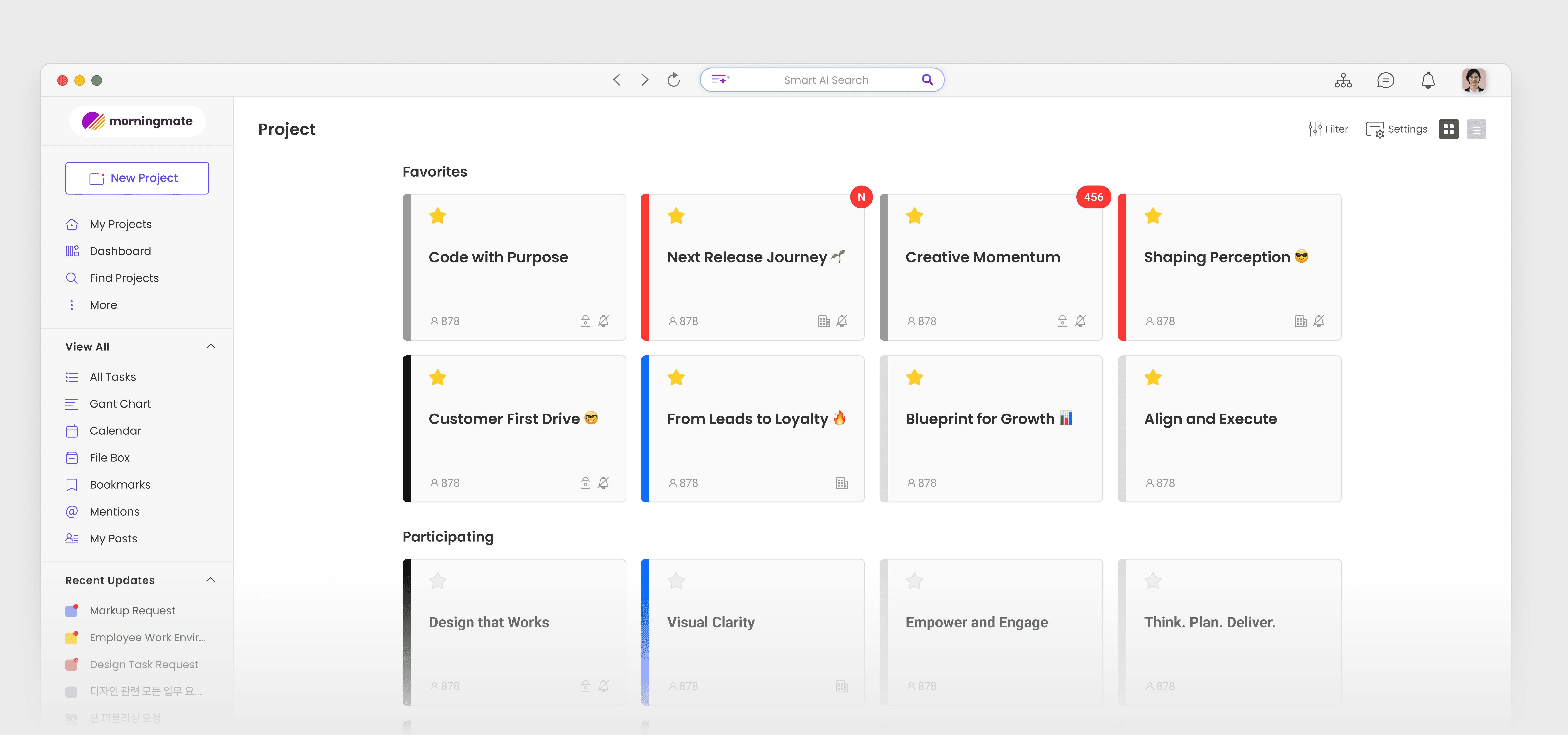
Pre-Redesign UI Home

Pre-Redesign UI Project

Pre-Redesign UI Task Post
Key Decisions
Revenue growth, user growth, and fundraising are different business outcomes, but all depend on a product that can support sustainable growth.
The ultimate goal of the redesign was therefore not simply to modernize the interface. It was to strengthen the product itself.
Together with the team, I focused on creating a more consistent UI and user experience, modernizing the interface, and establishing a stronger foundation for future product development.
What Did I Do to Address the Challenges?
1. Analyzed Global Products and Adapted Insights for Korean Users
I analyzed comparable global products, focusing on their feature structures, user flows, and UI patterns.
Rather than simply adopting these patterns, I evaluated whether they would feel intuitive and relevant to Korean users. This helped us distinguish between patterns we could adopt and areas that needed to be designed differently for our product and market.
2. Standardized UI Components and Established a New Design System
I reviewed UI elements that had been implemented inconsistently across different screens and standardized the appearance and usage rules of recurring components.
These principles became the foundation of a new design system, allowing both designers and developers to work from a shared set of standards when adding features or updating existing screens.
3. Built Alignment Around the Product Rebuild
I worked with colleagues to identify what should be preserved from the existing product and what needed to change.
Before proposing changes, I tried to understand the context and intentions behind existing design decisions. When changes were necessary, I explained the reasoning and worked toward a shared understanding of the redesign direction.
Throughout this process, it was important to respect the work and contributions of the team members who had built and grown the product before I joined.

Global References, Local Fit
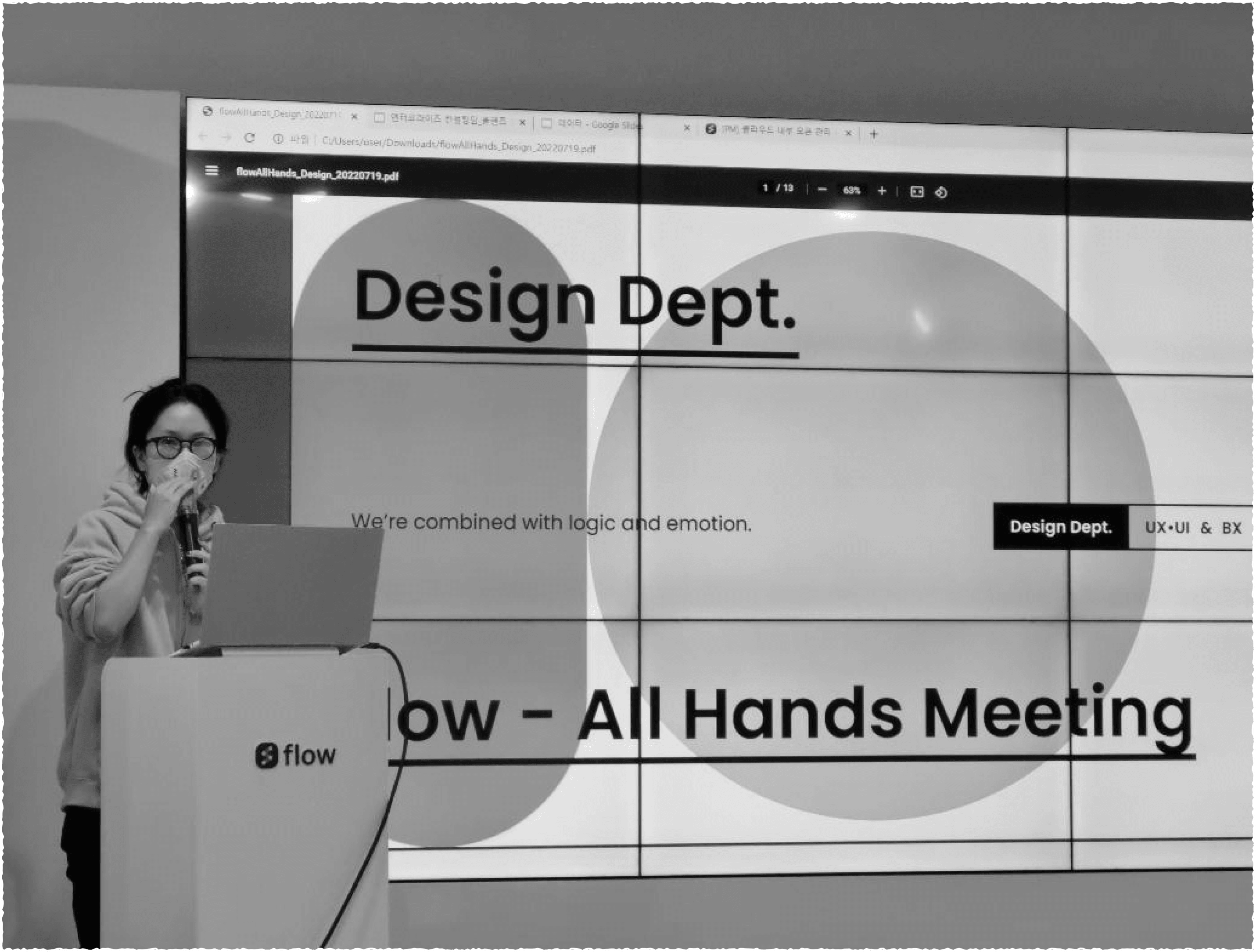
Design Team Role Presentation
What Was Difficult to Solve?
1. Legacy Development Constraints Beyond My Scope
The accumulated markup and performance issues could not be resolved through a design system alone.
Changing the underlying development structure required significant engineering review, implementation time, and organizational prioritization. Given my role and influence at the time, there were limits to how much of this structural change I could drive.
This became an important lesson in distinguishing between problems design can directly solve and broader organizational or technical challenges that require cross-functional ownership.
2. Trust That Could Only Be Built Over Time
Many existing team members had worked together for years to build and grow the product.
As a new member, simply explaining why the rebuild was necessary was not enough to establish trust. Understanding their attachment to the existing product, acknowledging concerns about change, and demonstrating reliability through day-to-day collaboration all required time.

QA Process Tutorial Rollout
The Team Behind the Product
Design Team
Depending on team members joining or leaving, I worked with a design team of two to four people throughout the product rebuild, launch, and ongoing operations.
Product Management
I worked most closely with the PM team throughout the project. They translated goals set by leadership and insights from the Customer Success team into information the design team could act on. They also coordinated communication with developers, allowing the design team to stay focused on product and interaction design.
Web & Mobile Development
A development group responsible for markup worked closely with the design team before feature implementation. We reviewed details together to ensure that the implemented product matched the design mockups as closely as possible, making adjustments where necessary. In most cases, web development was completed first, followed by mobile implementation.
Customer Success
The Customer Success team shared customer research, analysis, and ongoing account insights with us. They also responded quickly when issues occurred following the rebuild, helping maintain stable business operations while the new product experience was being introduced.

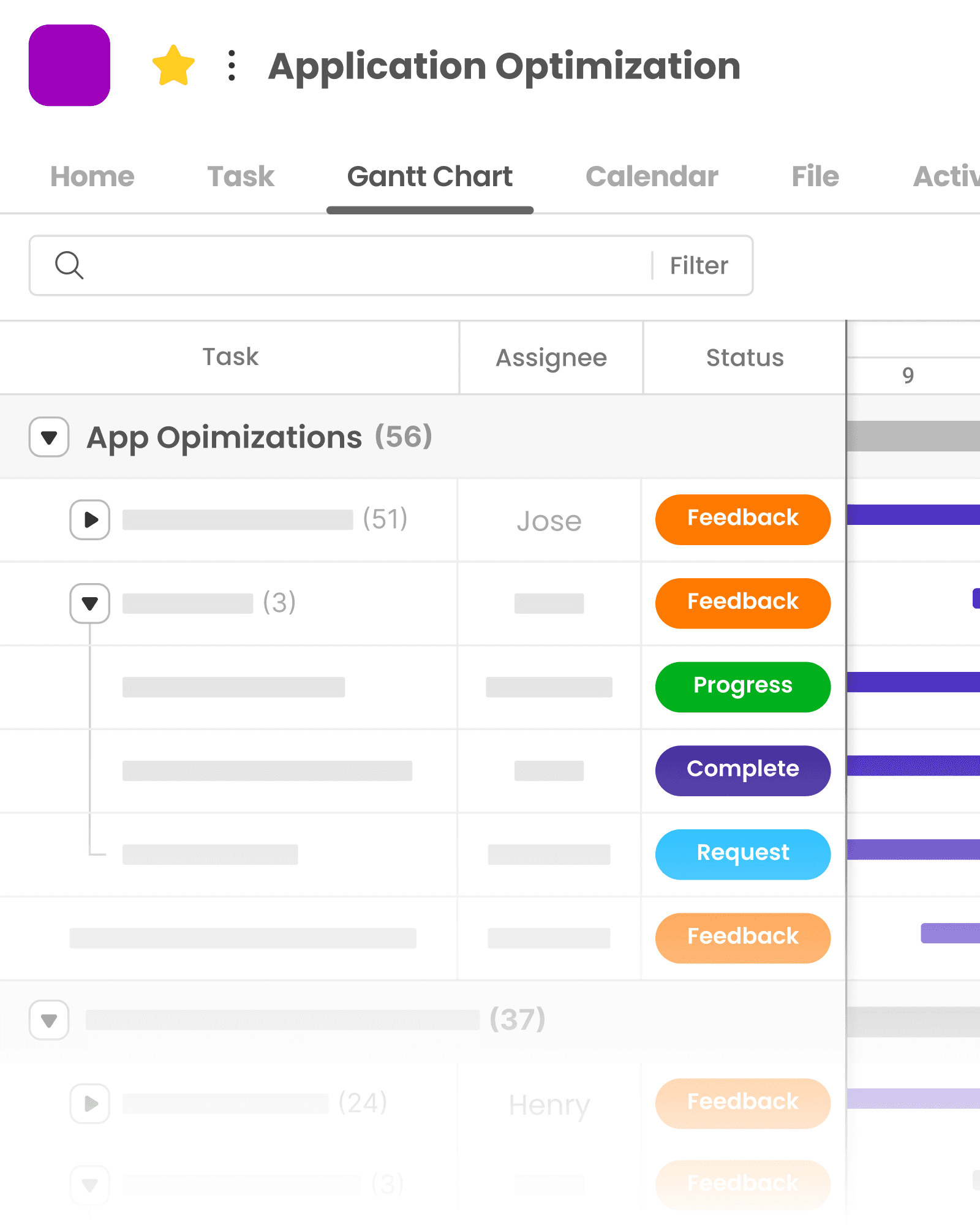
Task Management Post
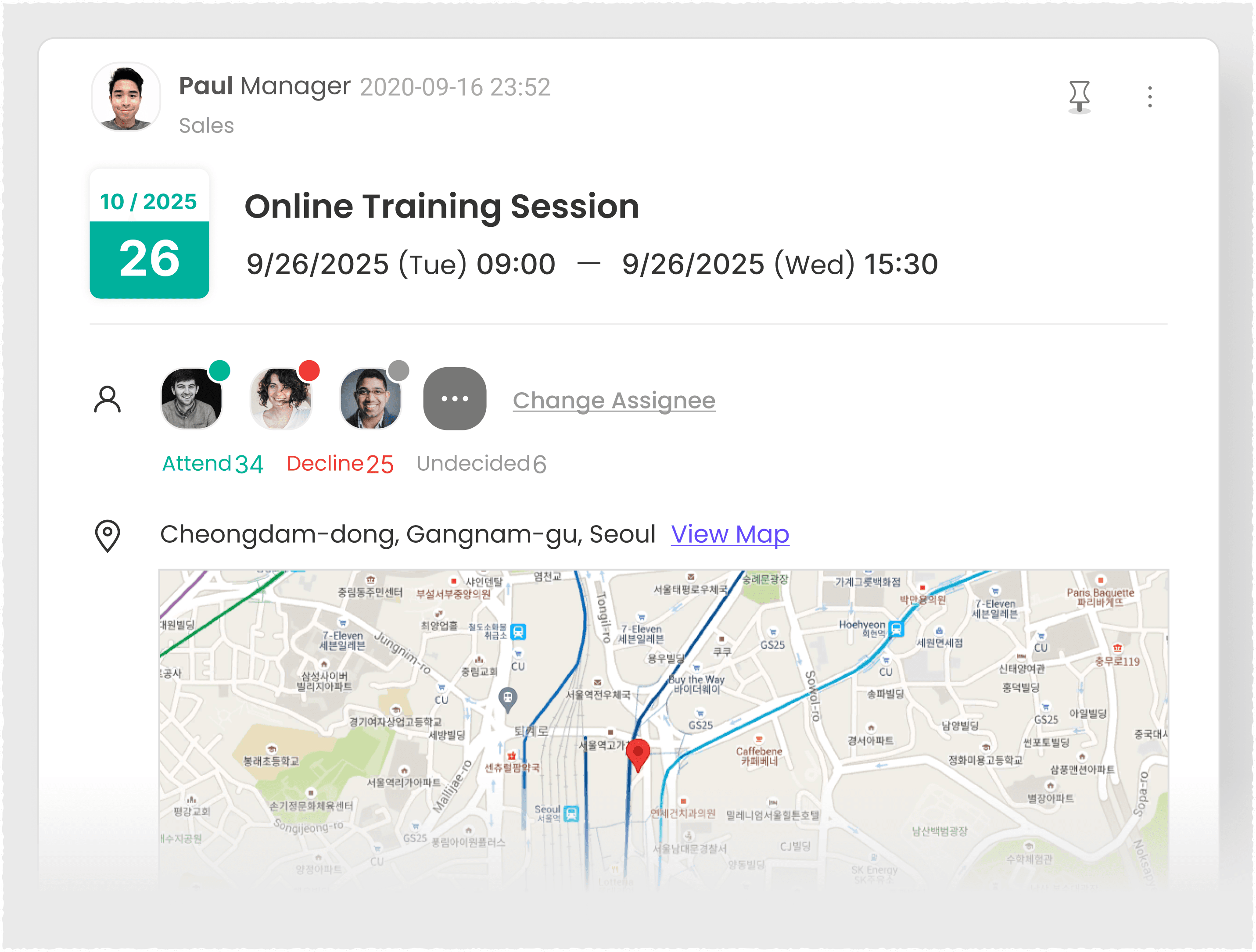
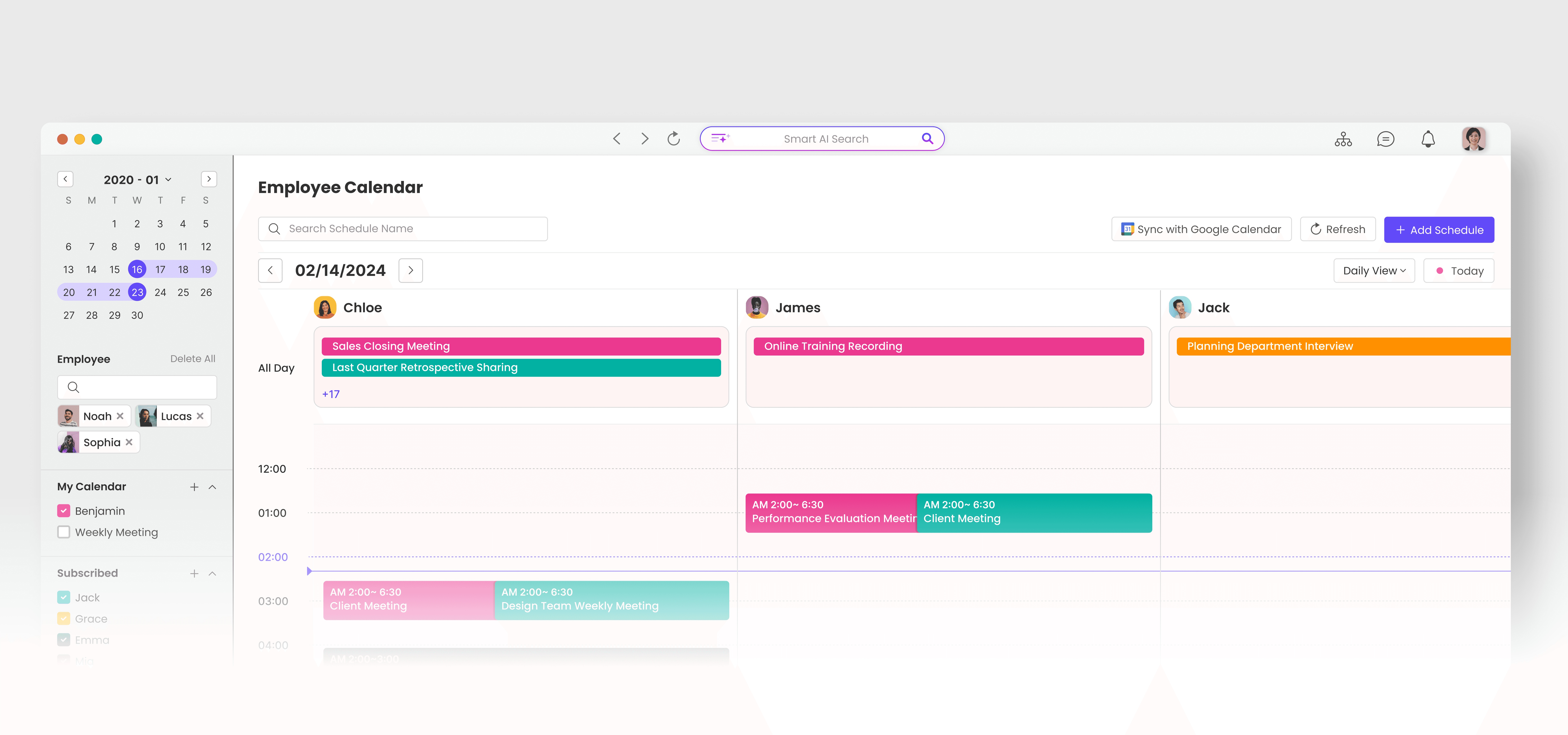
Schedule Management Post
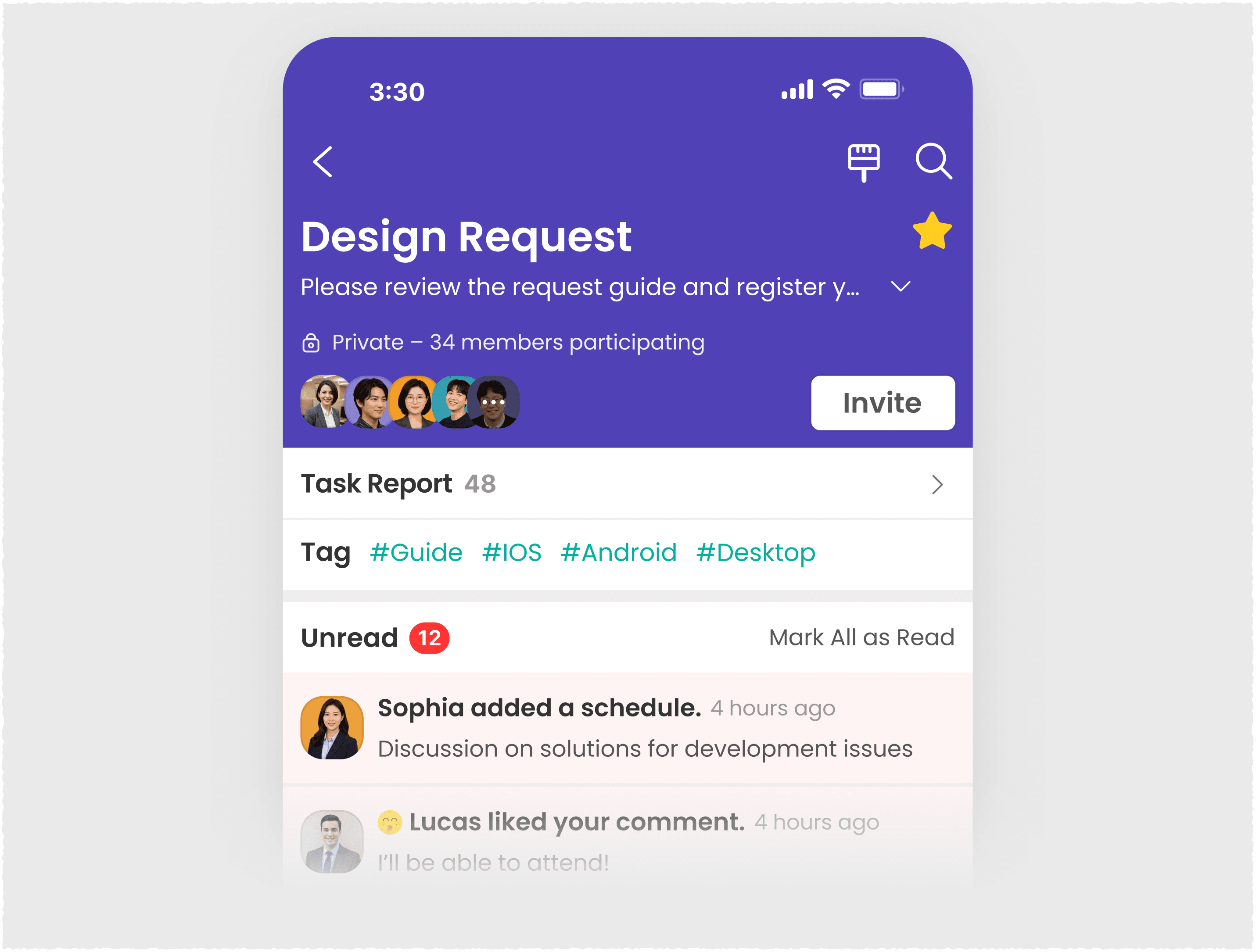
Mobile Home Screen

Desktop Mini Mode App
Operation
After launch, I continued to lead both major and minor feature updates as Design Lead, supporting the product as the business evolved. Depending on the scope and complexity of each initiative, I either delegated work across the team or worked directly on the design myself. I also managed design schedules and coordinated issues and dependencies across teams.
I believe one of the key responsibilities of a design leader is to help the team move in the same direction through clear communication. To support this, I regularly shared project priorities and key decisions while working to reduce gaps in understanding between teams.

Chat Auto-Translation

Voice Chat for Work

Outcome
As Design Lead, I helped drive growth through redesign and ongoing product improvements.
230%
Growth in Paying Companies · 2021 vs. 2020
47.6%
Compound Annual Revenue Growth · 2020–2024
Reflection
Seeing Product Design Beyond Launch
Working across the full product lifecycle, from rebuilding and launching the product to continuously improving it, broadened my perspective as a product designer.
New challenges continued to emerge after launch as user behavior and business priorities changed. Each time, I had to reassess what should be prioritized and where design could create the most value.
Through this experience, I learned that product design does not end at launch. A product needs to continuously evolve through operation, feedback, and changing business needs.
Developing a Stronger Sense of Product Ownership
Watching a product I had helped design launch and grow over several years gave me a stronger sense of ownership and responsibility.
At the same time, this experience helped me better understand the attachment that long-standing team members had to the original product—and why a full redesign could initially feel challenging to them.
The Gap Between Building a Design System and Building a Design Culture
For design principles to influence work beyond the design team, their purpose and reasoning needed to be continuously communicated, understood, and reflected in everyday decisions.
At the time, there were limits to how much I could embed these practices across the entire organization from my position alone.
The experience taught me that leading design requires more than strong execution. It also requires the ability to build understanding, participation, and shared ownership across teams.